
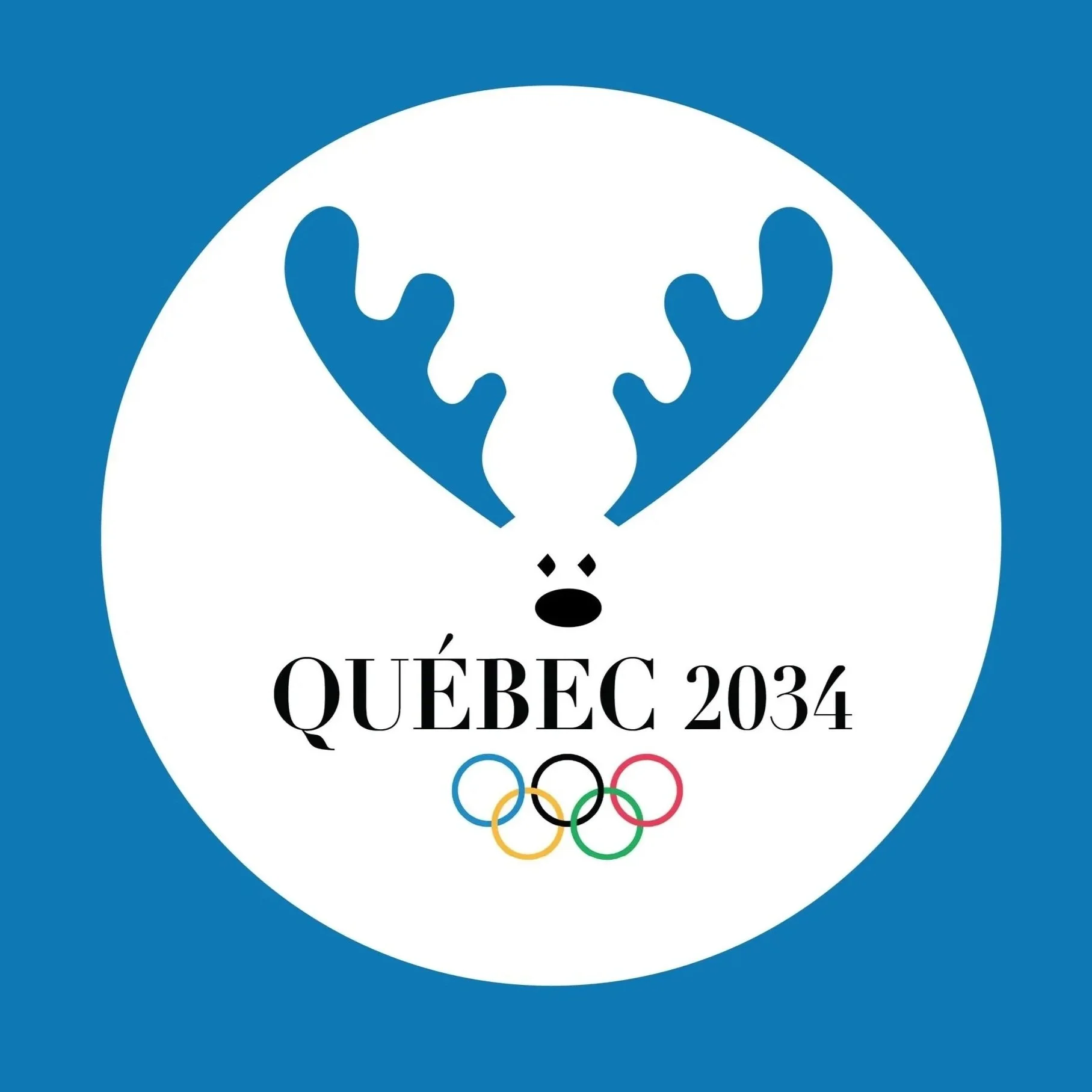
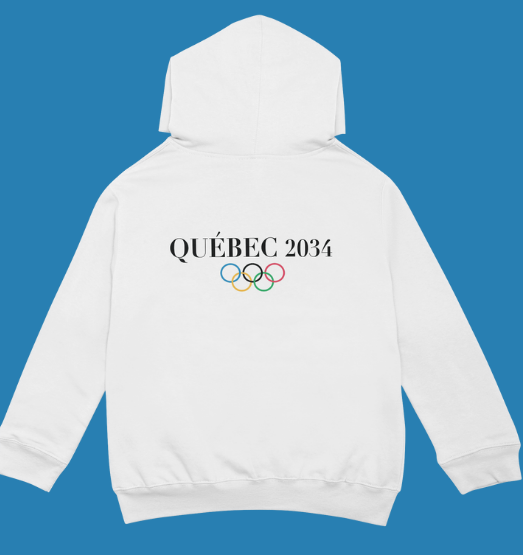
I designed a full branding system for the 2036 Winter Olympic Games in Québec City, including the logo, sport icons, signage, tickets, passes, and apparel.
The concept was rooted in research on Québec’s culture, geography, and history. The decline of the region’s reindeer population became the central symbol, representing resilience, heritage, and environmental awareness.
Typography and color choices emphasized clarity and emotional impact, with Didot selected for its elegance and legibility, and a palette inspired by Québec’s icy winters.
This project improved my ability to create simple, clear visual systems and turn research into flexible design solution.
WINTER OLYMPICS
PROJECT TYPE
Brand Identity
TOOLS USED
Adobe Suite
YEAR
2022
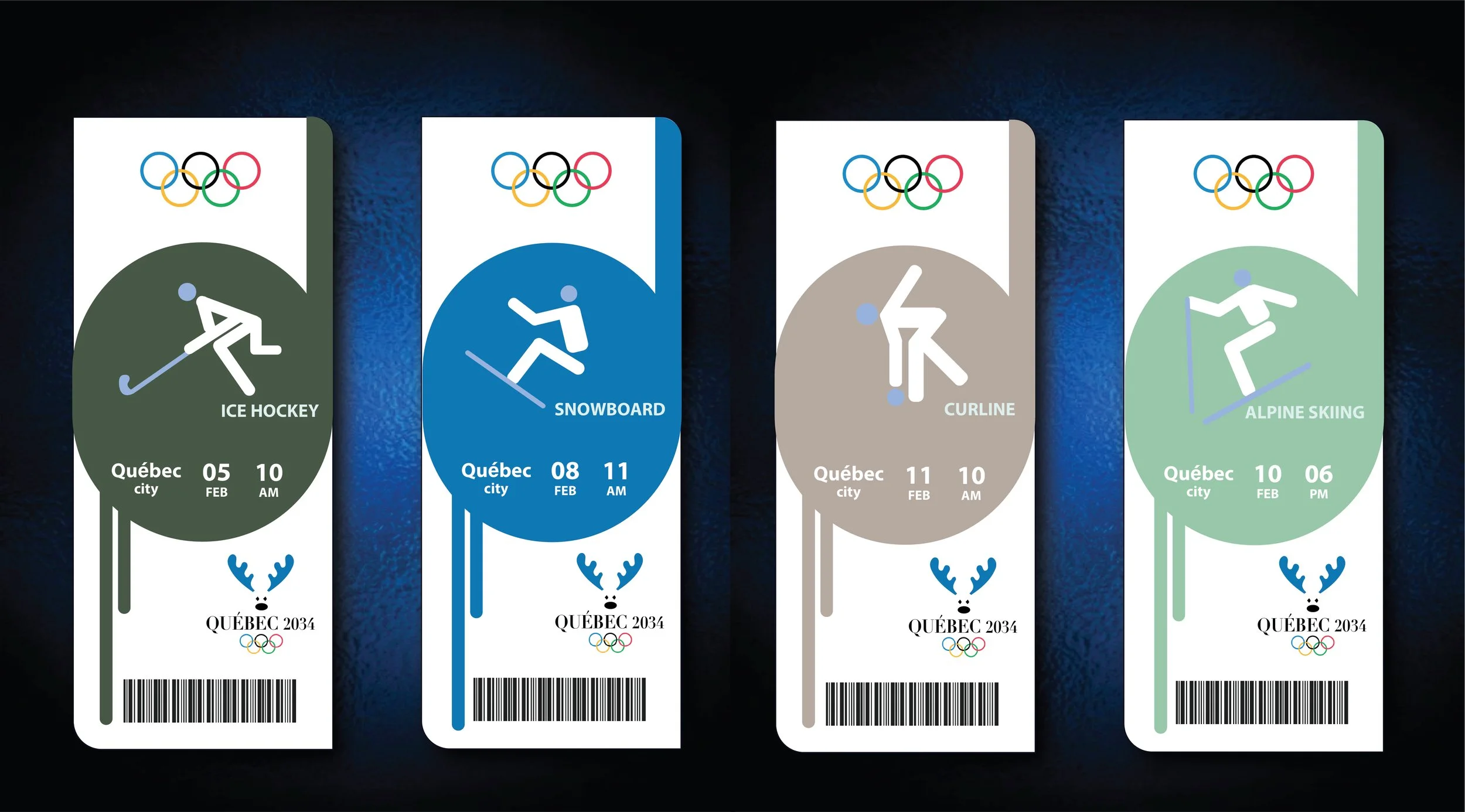
Event Tickets
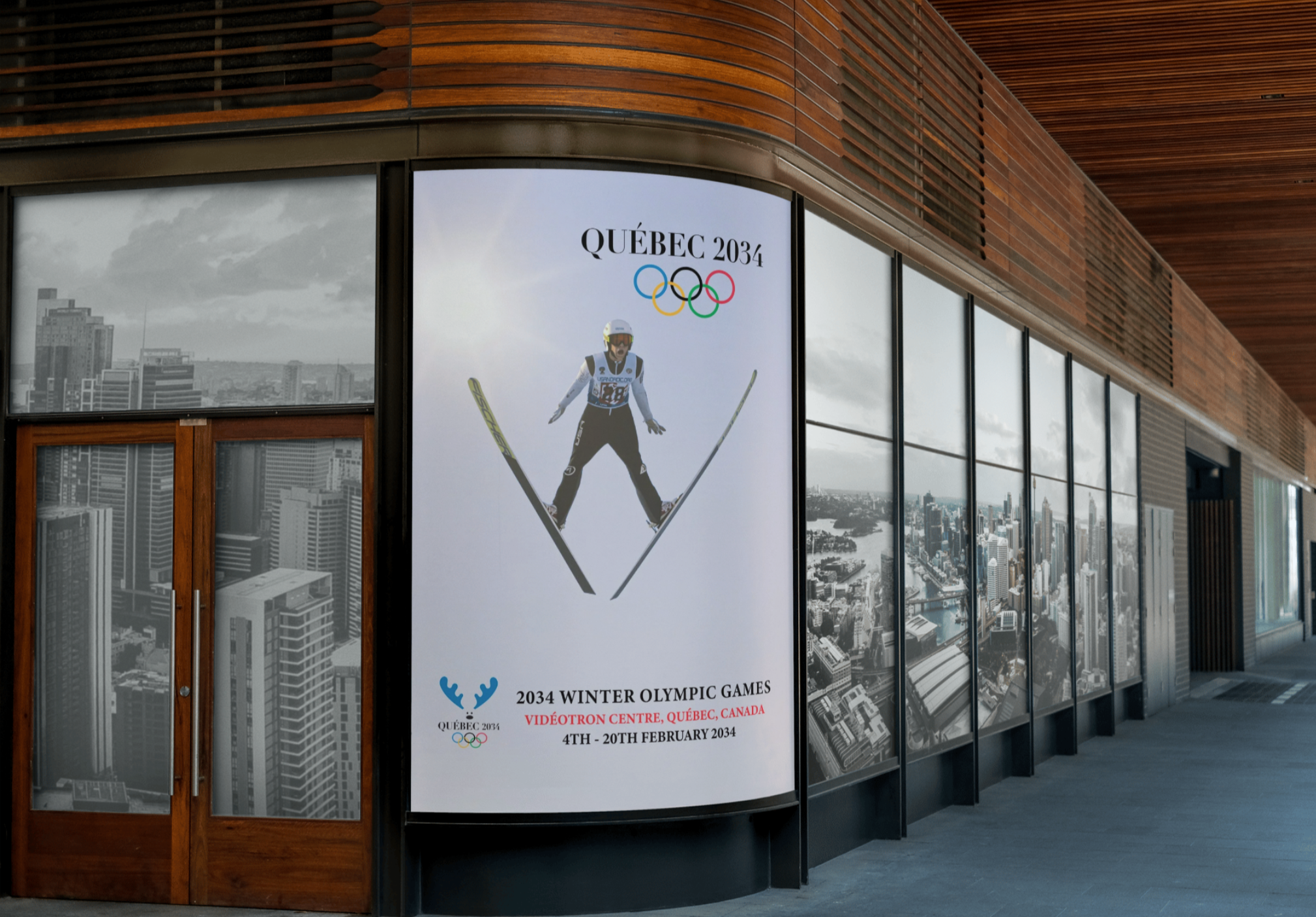
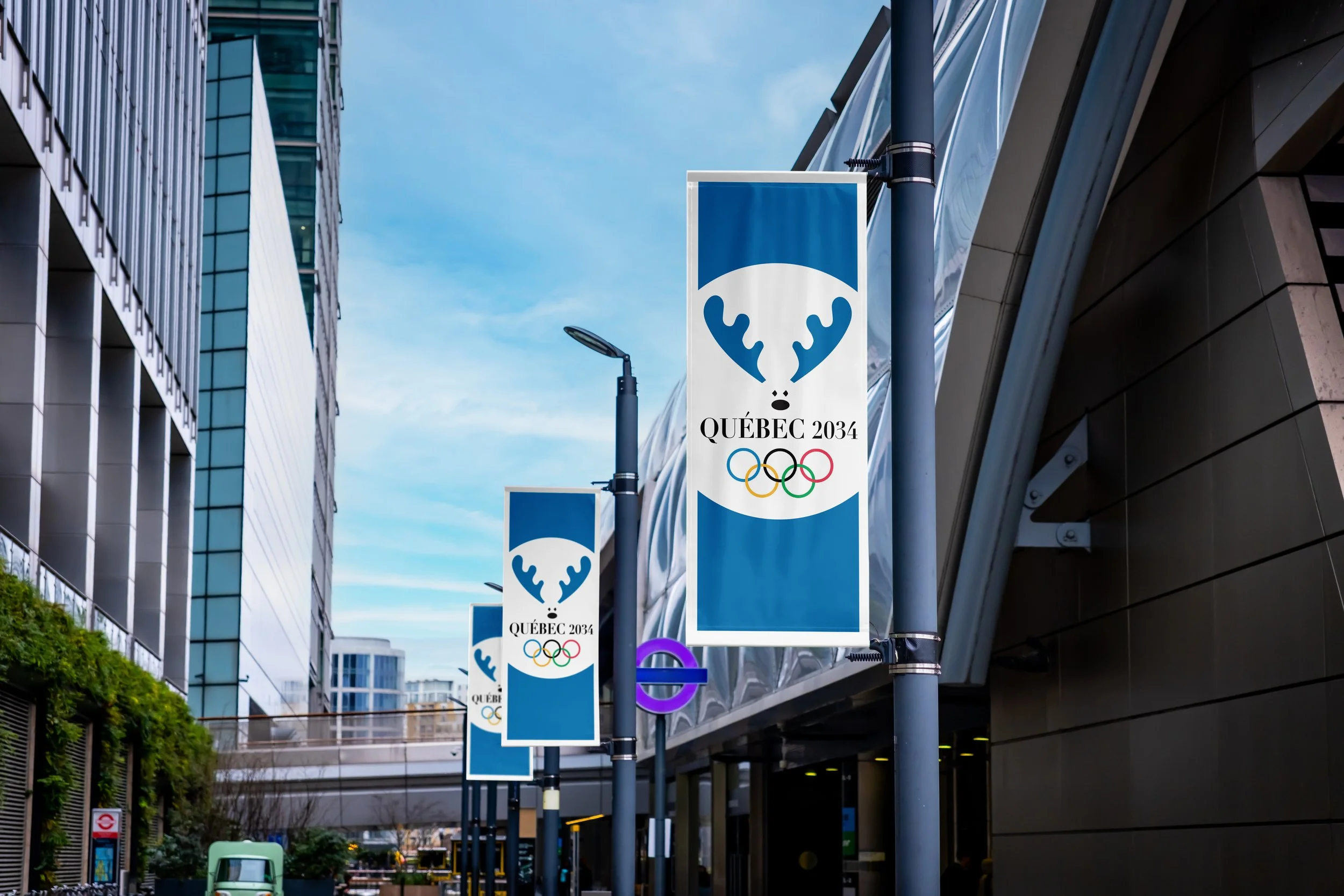
Wall Art
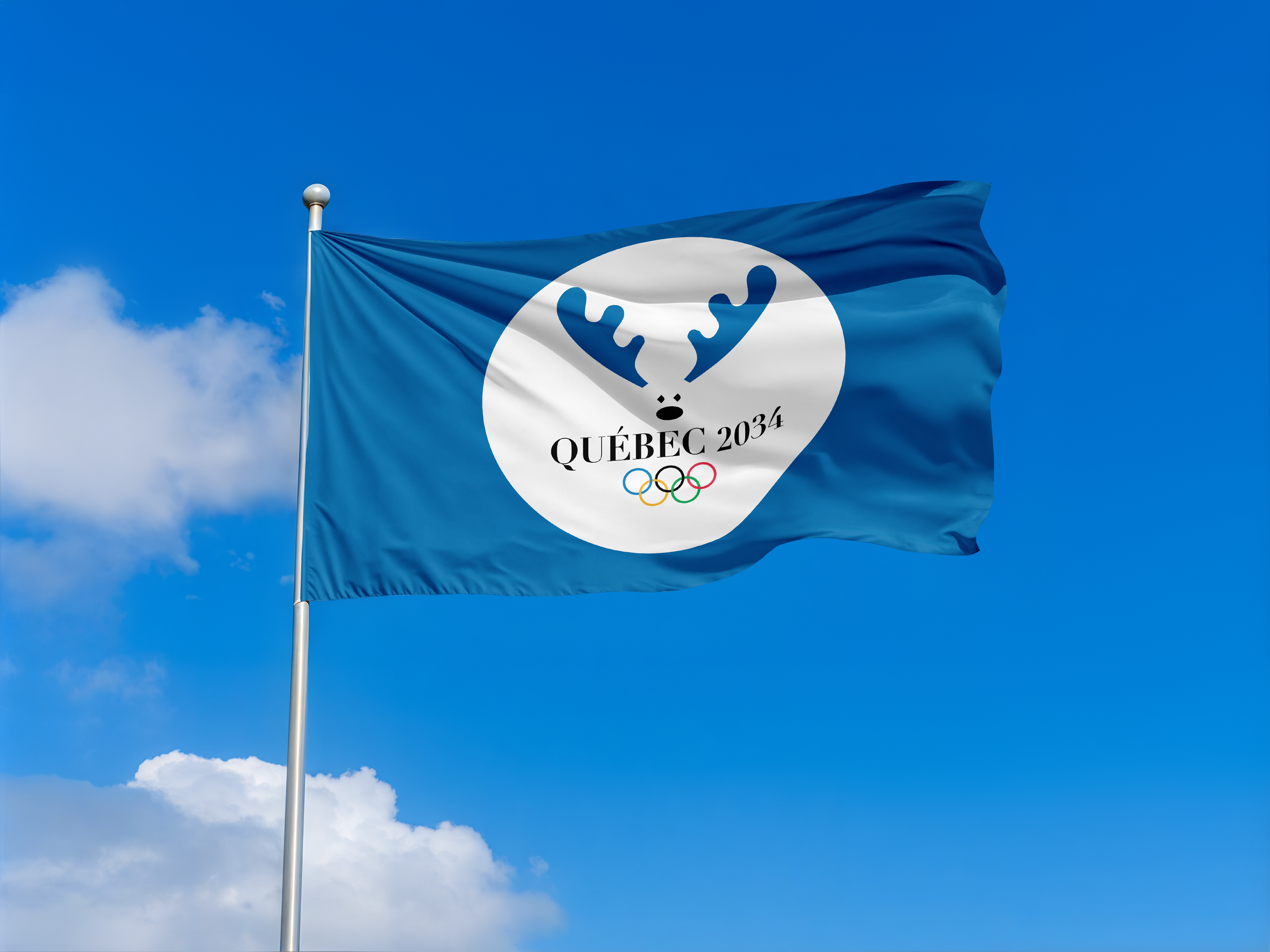
Flags
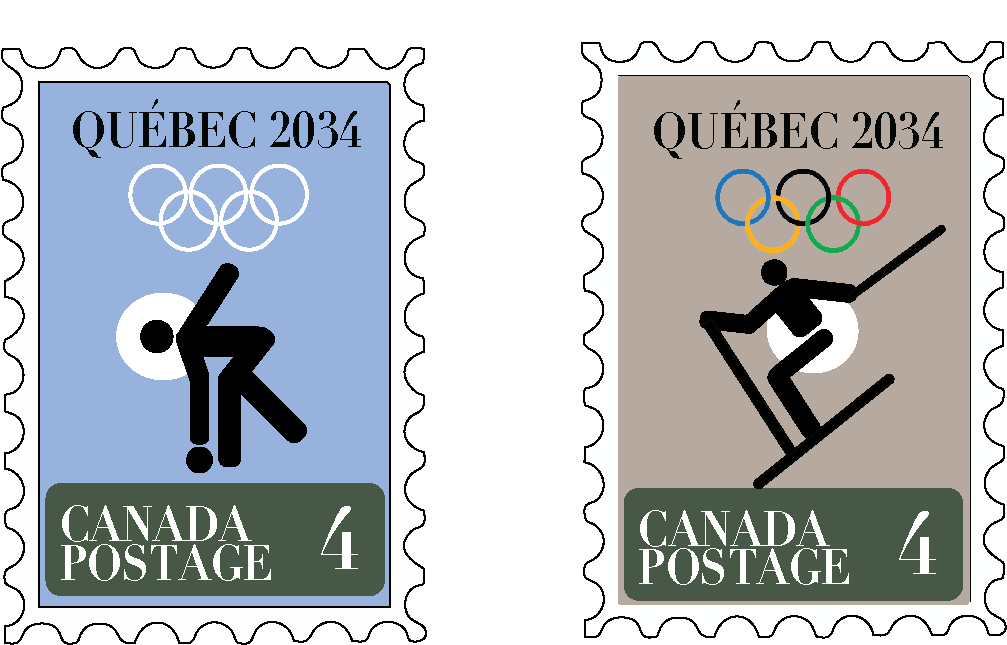
Postage Stamps

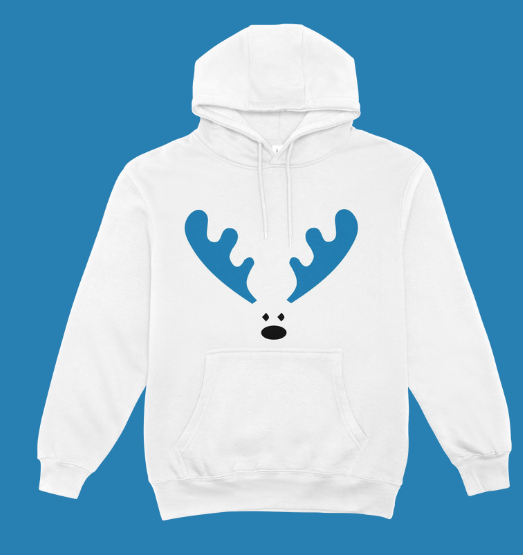
Read the full Story….
-
The Winter Olympic Games are held every four years and include sports like skiing, figure skating, and ice hockey. They began in Chamonix in 1924 and now bring together athletes from all over the world.
Canada has a strong Winter Olympics history and has hosted the games in Calgary (1988) and Vancouver (2010). Canadian athletes often win medals in hockey, skating, and snowboarding.
Quebec City is considered a good possible host because of its cold climate, reliable snow, and nearby skiing areas like the Laurentian Mountains. The city also hosts large winter events like the Quebec Winter Carnival, showing it can handle big crowds.
-
My logo focuses on the decline of reindeer populations and connects to the values of the Winter Olympic Games. Winter sports depend on cold climates and healthy natural environments, but climate change is affecting animals like the reindeer by reducing their habitat and food sources.
If Quebec City hosted the Olympics, my brand would promote protecting wildlife and winter ecosystems. It highlights the idea that hosting the Olympics should also include environmental responsibility, sustainability, and awareness of how climate change impacts both sports and nature.
Reindeer (caribou) populations have declined by about 40% globally in the last 10–30 years, about 65% in some Arctic regions, and overall numbers have dropped from roughly 4.7–5 million to about 2.1 million (a 56% decrease) since the 1990s. In some herds, populations have crashed by up to 90%, and scientists warn declines could reach 80% by 2100 if current trends continue.
-
The colors light blue and dark blue represent winter, ice, and cold environments, which relate to the Winter Olympic Games and snowy conditions needed for winter sports.
Green and mint green represent nature, forests, and the environment, showing the importance of protecting ecosystems and wildlife like the reindeer.
The light brown adds a natural, earthy tone that represents land, habitats, and balance in nature.
Together, these colors show the connection between winter sports and the natural world, while also highlighting environmental change and the need for sustainability in places like Quebec City.
Font name is Didot
Didot is a serif font
Designed in 1784 by Firmin Didot. Well known for its elegant and refined look.
It is easy to read
It works across different devices and screen sizes - It looks great even at smaller sizes.
Convey the brand's message of sport and winter.
Sky Mist
#97b2de

Midnight Luxe #0c78b4
Lime Green
#99c8aa
COLOR PALETTE
Honeywood
#b6aaa0
Forest Green
#465846